How car wreckers make money from scrap?
The longer you keep a car, the more expensive it can be to run and repair. So, at a certain point, you might be inclined to sell it. Car wreckers would be happy to take it off your hands.
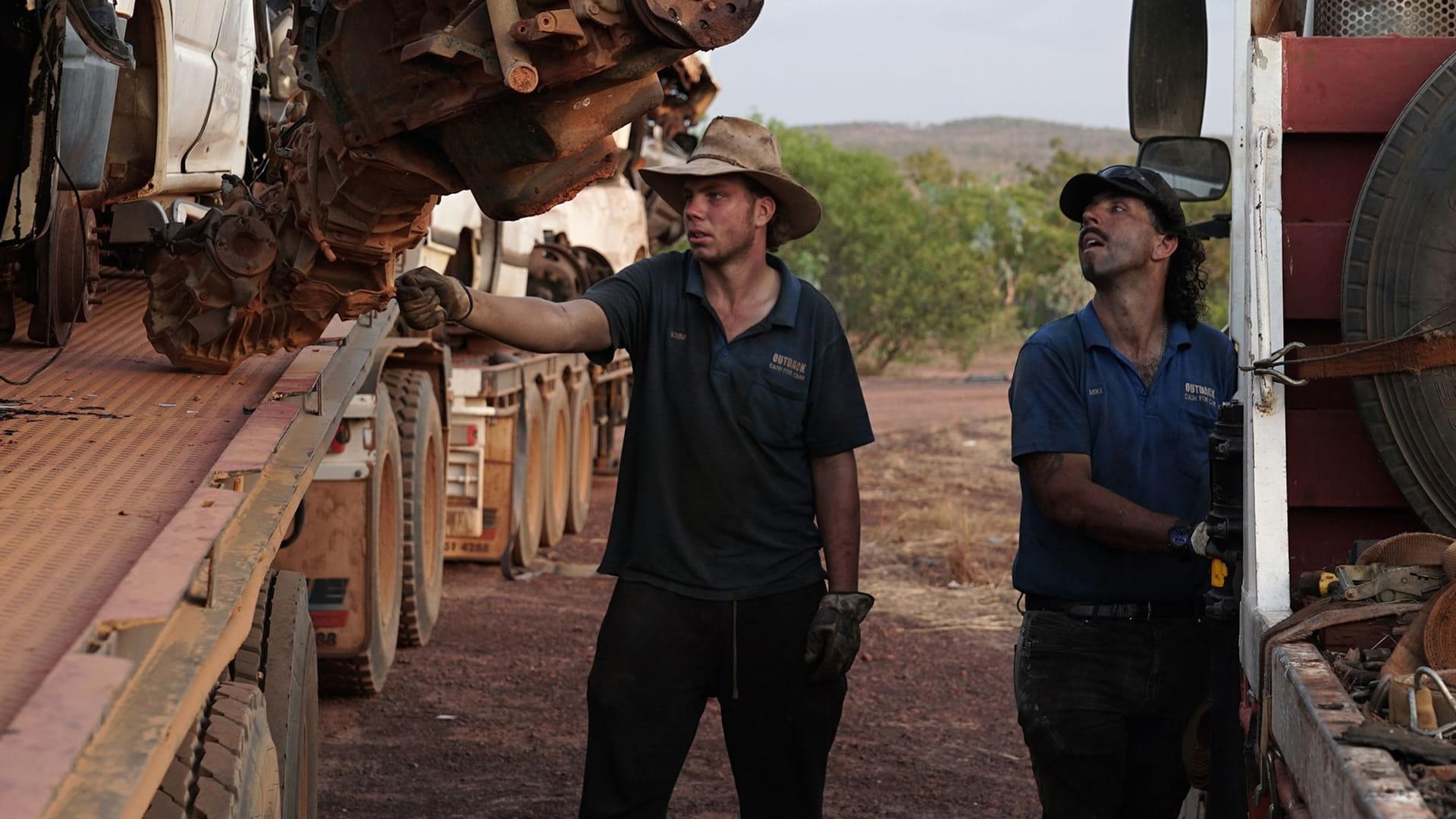
Even if it’s old or damaged, it likely still has parts and materials these wreckers can sell on. That’s why the stars of BLAZE’s Outback Wreckers are so eager to pounce on abandoned cars they find in the Australian wilderness.
It might also leave you wondering whether you, too, could make money from automotive scrap. Here’s the BLAZE ‘how to’ guide to doing exactly that…
Find cars and buyers
As alluded to earlier, many car wreckers buy cars from people looking to offload them. The Outback Wreckers do things a little differently, searching desolate expanses of central Australia for vehicles discarded there.
Following the Outback Wreckers’ example could theoretically save you money, notwithstanding the potentially higher costs of travel and towing. Either way, the general idea is the same – buy low, sell high. In other words, get cars as inexpensively as possible before selling them at marked-up prices.
The trick is to hit the ‘sweet spot’ with your pricing strategy. Your customers may include motorists and mechanics seeking bargains on replacement components for existing cars. Manufacturing industries also need to be regularly resupplied with metals – like steel, aluminium and copper – that scrappers are able to salvage.
Identify the most profitable vehicles
How much money you can make from any given vehicle is going to depend on an array of factors. Scrappers carrying out quick valuations tend to give the car’s weight a lot of, er, weight. The heavier the vehicle, the more metal it is likely to have.
The exact type of metal is also a major factor. Steel is in high demand around the world, but not as profitable as the platinum and rhodium found in catalytic converters. So, a car where the catalytic converter has been removed will be worth a lot less.
The cast of Outback Wreckers come across many damaged cars – and, crucially, see the financial potential in them. When you find one, scrutinise its individual parts carefully to see if any would still be good enough to sell separately.
Sell reusable parts
Car wreckers are experienced in taking cars apart, and can quickly identify what the different parts are. This is no small boon, as those automotive parts can differ significantly in value.
Generally, the more reusable the component, the higher its value. Engines, transmissions, tyres, alternators and batteries can prove especially lucrative. Used components can be much cheaper than new ones, making them more attractive to auto repair shops.
Sometimes, the second-hand route is the only route. We all love our cars – so much so that we may cling to them long after the manufacturer has stopped making parts for them. That’s when we might seek to source those parts from a car wrecker instead.
Keep an eye on metal prices
Junked cars are made up of various metals. However, the prices of those metals remain very much at the whim of market trends. So, the onus is on you to not only keep close track of those trends but also sell at just the right time.
Imagine you’ve got a large stash of palladium, and its market value is approaching an all-time high. This can be your cue to pull the trigger. On the other hand, if the going rate for aluminium is falling, you might want to hold off selling any until its value bounces back.
Another good idea is to sign long-term deals with suppliers, enabling you to more easily budget in advance. Such strategic thinking can keep your auto scrapping business financially resilient.
Comply with legal regulations
Key to the appeal of car wrecking is its eco-friendliness. It can even be one of your company’s USPs. That’s not the only reason why going green can give you – ahem – the rub of the green. Did you know that metal is about 74% cheaper to recycle than it is to make?
More than that, watching out for Mother Nature is a legal requirement of the job. There are lots of environmental regulations for car scrappers to heed – especially when removing fluids like engine coolant and transmission fluid from cars. Handled incorrectly, these liquids can leak into the soil, causing untold ecological damage.
See how the experts do it by watching Outback Wreckers on BLAZE! Catch its frenetic eight-episode run on Sky, Freeview, Freesat or Virgin from Tuesday 19th May.