Is there treasure hidden in your shed?
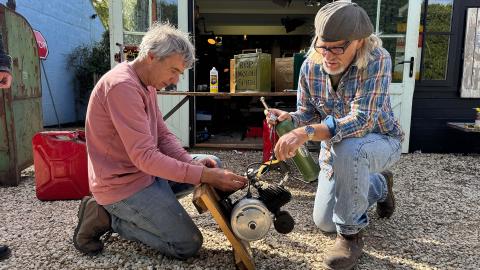
Henry Cole and Allen Millyard inspect an old motor in front of a shed

For most of us, the shed is easy to ignore. It’s a place for half-used paint tins, rusty tools and things we don’t quite know what to do with. But for Junk & Disorderly expert Henry Cole, who has visited more than 1,000 sheds across the UK, it’s something else. 

To him, sheds are treasure troves. 

After years spent rummaging through garden outbuildings, garages and workshops, Henry has developed an expert eye. He can easily spot hidden value in the most unlikely places. And according to him, many Brits are sitting on items worth far more than they realise. 

So, is there treasure in your shed? The answer might surprise you. 

What Henry looks for 

Not everything in a shed is valuable. But some items can’t help but stand out. Among the most sought-after finds are vintage oil cans. Often dirty and neglected, these old automotive relics can be highly collectible. They are valued by their branding, condition and how rare they are.

As interest in classic cars continues to grow, so does demand for authentic period items. For example, signage, old parts, manuals and branded accessories.

Another unexpected category is old furniture. Henry highlights G Plan furniture, in particular. Once a firm staple of mid-century British homes, these pieces of furniture are now firmly back in fashion and buyers will pay a premium for original designs.

The hidden value of everyday items 

Many of these items are already sitting in people’s sheds. One of Henry’s key points is that value often hides in plain sight. Items that people dismiss as “old” or “worn out” can be exactly what collectors are looking for. 

He also points out that it’s not just about items being in a pristine condition. Authenticity matters more than perfection. Scratches and signs of age can add to an item’s appeal, so it’s not only rare or antique items are worth selling. Many everyday objects can also have value. 

Why we overlook what we have 

Most people don’t realise what they’re sitting on, and Henry sees that all the time. 

After visiting over 1,000 sheds, he’s trained to spot value where others see ordinary items. The problem is familiarity. When you’ve owned something for years, you stop noticing it. Most people don’t really know what’s in demand, which means valuable things can easily be overlooked. 

Plus, once something goes into the shed, it’s often completely forgotten. Henry’s advice is simple; take another look. You might be surprised by what you find. 

The bigger picture 

Recent survey data from BLAZE shows that Brits have, on average, around £800 worth of unused items in their sheds. While not all of this will be unexpected treasures, it shows that sheds are far from worthless spaces.

How to spot your own hidden gems 

So how can you tell if your shed contains something valuable? Henry recommends starting with a simple rule: don’t assume anything is worthless. 

Look out for: 

  • Branded items, especially older ones. 
  • Solid wood furniture. 
  • Anything related to classic cars or tools. 
  • Objects with distinctive design or craftsmanship. 
  • Items that feel “of a certain era”. 

A quick bit of research can go a long way.

Top Tip: Check online marketplaces or collector forums to see what similar items are selling for. 


Turning clutter into opportunity 

The idea of digging through a cluttered shed might not sound too appealing. But you never know what you might find. Henry has seen it firsthand. Ordinary people uncovering items they never thought twice about, only to find they’re in demand. 

For some people, it’s about making extra money. For others, it’s about rediscovering items full of history and character. Either way, it transforms an ordinary shed into something worth checking out.

A new way of looking at old spaces 

The key takeaway is simple: it’s all about how you look at your shed. 

Instead of seeing it as a dumping ground, think of it as a place full of stored items that could have real value. And as Henry would say on Junk & Disorderly, you won’t know what you’ve got until you start looking.

So the next time you pass by your shed, it might be worth opening the door. You never know what treasure could be waiting inside. 


Discover why Junk & Disorderly keeps winning over viewers with its heart, humour and refreshingly honest approach to restoration. Tune in now for more laughs, great banter and the kind of shed-based escapism you didn’t know you needed. 

Description
On Junk & Disorderly, Henry Cole says everyday shed items like oil cans, old furniture and memorabilia can become hidden treasures.
Caption
Image: Henry Cole and Allen Millyard find all sorts of treasures hidden in shed | Junk & Disorderly

The average Brit sits on £800 of hidden treasure in their sheds

Henry Cole leaning against a shed with his arms folded

When it comes to sheds, Brits are a nation of hoarders. According to a survey of 2,000 UK adults commissioned by BLAZE, the average Brit is sitting on more than £800 worth of unused items in their shed or garage. From dusty toolboxes to forgotten furniture, it turns out we are unknowingly storing small fortunes in our back gardens. 

This research shows just how much sheds have changed from practical storage spaces into dumping grounds for all sorts of treasures. And according to Junk & Disorderly presenter and restoration expert Henry Cole, that figure may only scratch the surface. 

A nation of shed collectors 

BLAZE's survey revealed that around 65% of Brits haven’t properly sorted through their shed in years. Many people assume it’s junk, but around 45% wonder if they have a hidden treasure somewhere.

Henry agrees. 

'There are millions and millions of pounds worth of automotive-related items out there,' he explains. 'When I go into a shed, I can very quickly sift through the rubbish and find the good stuff.'

What are we actually storing? 

Take a look inside most sheds and garages and you’ll find a pretty familiar mix of stuff. Individually, none of it seems like a big deal. But over time, it all builds up. Before you know it, your shed isn’t just full. It’s packed with things you don’t use anymore and items that could actually be worth something. 

The most common things people admit to storing include: 

  • Garden equipment or tools 
  • DIY materials like wood, paint, or tiles
  • Old tools or machinery
  • Boxes of miscellaneous items
  • Bikes and sporting equipment
  • Seasonal gear like Christmas decorations or camping equipment


If you dig a little deeper, it’s often where the bigger, forgotten things end up too. Old appliances, unused furniture, children’s items and even car parts or automotive memorabilia. 

Why we hold onto so much 

So why do we keep all this stuff? Around 59% say they hold onto items because they might be useful one day, while 34% admits it’s for sentimental reasons.

There’s also a reluctance to let go of possessions. Around 53% of people surveyed said they’d rather pass things down to younger generations than sell them. And for 48%, the only real motivation to clear things out would be moving house. 

But remember, that hesitation can cost you. Around 25% of Brits admit they’ve already sold or thrown away something they later realised was valuable.

The hidden gems among the clutter 

Henry advises, 'Where Brits go wrong is that a lot of things they’re holding onto is worthless. Things like bikes, mobility scooters, brown furniture and white goods. But at the same time, there are loads of things that don’t look valuable but are.'

For example, mid-century furniture, particularly G Plan pieces, which have recently become popular again. Automotive memorabilia can also be valued surprisingly high. 

Vintage oil cans and jugs from the 40s and 50s, especially branded ones from companies like Shell, Texaco and Pratt can be worth serious money. Rare examples can even sell for £2,000 or more, with exceptional items valued at around £3,000. 

Not bad for something gathering dust in a corner. 

A missed opportunity  

With the cost of living in most people’s thoughts, the idea of finding even a fraction of that £800 average could make a real difference. 

A spokesperson for BLAZE says: 

'Adults are far more likely to be sitting on hidden treasures than they realise. It’s all about taking a second look before writing something off as junk.'

In other words, the opportunity is there: you just have to look for it. 

Time to take a second look 

The humble shed has long been overlooked, seen as just a storage space for odds and ends. 

But the reality is far more interesting. Whether it’s an ancient piece of furniture, old tools or a vintage oil can, there’s a good chance many Brits are sitting on items worth real money. And with Henry Cole leading the charge on Junk & Disorderly, more people than ever are starting to realise it. 

The question is: what’s hiding in your shed?


Find out why Junk & Disorderly continues to charm audiences with its warmth, wit and wonderfully honest restorations when the brand-new series returns. Tune in now for more laughs, banter and brilliant shed-based escapism. 

Description
Discover how the average UK shed contains £800 worth of unused items and learn how everyday clutter could be turned into extra cash.
Caption
Image: Henry Cole is the king of finding treasures hidden in sheds and garages | Junk & Disorderly